CDC Stroke Prevention Guidelines Explained: 9 Powerful Strategies to Reduce Stroke Risk
Stroke is one of the most serious neurological emergencies affecting millions of people worldwide. It often occurs without warning and can lead to paralysis, speech difficulties, memory problems, and permanent disability. Because brain cells begin to die within minutes when blood flow stops, preventing stroke is far more effective than treating the damage afterward.
The CDC stroke prevention guidelines were developed to help people understand how stroke develops and what actions reduce the risk of neurological injury. These guidelines highlight the importance of controlling blood pressure, improving cardiovascular health, maintaining healthy lifestyle habits, and recognizing stroke risk factors early.
The CDC stroke prevention guidelines explain that most strokes can be prevented by controlling major risk factors and maintaining healthy lifestyle habits. High blood pressure remains the most important risk factor because it weakens blood vessels and increases the chance of clot formation or bleeding inside the brain.
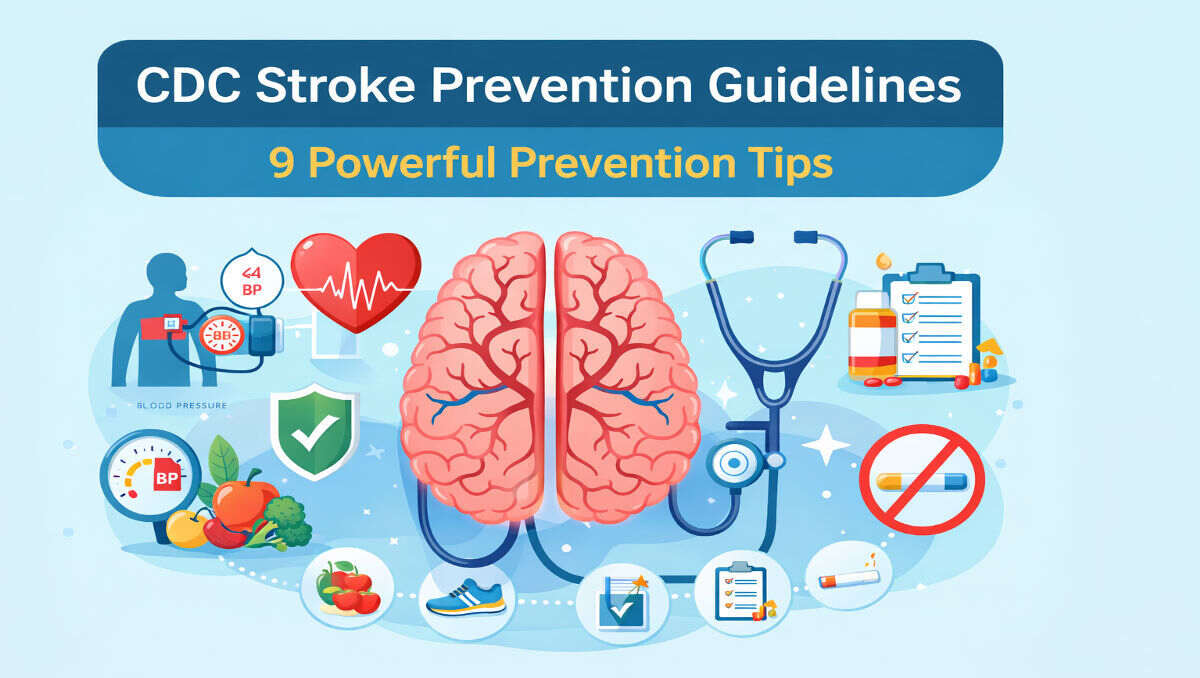
Following the CDC stroke prevention guidelines means focusing on blood pressure control, healthy cholesterol levels, diabetes management, smoking cessation, regular physical activity, and balanced nutrition. These strategies protect blood vessels, improve circulation, and reduce neurological risk.
When individuals consistently follow the CDC stroke prevention guidelines, they significantly reduce the chances of stroke and improve long-term brain health.
What Is Stroke and Why Prevention Matters
A stroke occurs when blood supply to a part of the brain is interrupted or when a blood vessel inside the brain ruptures. Because the brain relies on oxygen delivered through blood circulation, even a short interruption can cause serious neurological damage.
When brain cells are deprived of oxygen, they begin to die quickly. The affected area of the brain determines which functions are impacted. Some people experience paralysis on one side of the body, while others develop speech problems, loss of coordination, or memory impairment.
To understand prevention strategies, it is important to first learn what is a stroke, how it develops in the brain, and why early prevention is critical for protecting neurological health.
There are two primary types of stroke.
Ischemic stroke occurs when a blood clot blocks an artery supplying blood to the brain. This type accounts for the majority of stroke cases and often develops when blood vessels narrow due to cholesterol buildup or vascular damage.
Hemorrhagic stroke occurs when a weakened blood vessel ruptures and causes bleeding within the brain. The pressure from bleeding damages surrounding brain tissue and disrupts normal neurological signals.
Because stroke can cause permanent disability, prevention becomes essential. This is why the CDC stroke prevention guidelines emphasize identifying stroke risk factors early and maintaining healthy lifestyle habits that protect blood vessels and improve circulation.
Major Stroke Risk Factors Identified by the CDC
The CDC stroke prevention guidelines emphasize that understanding stroke risk factors is the first step toward preventing neurological damage.
Several medical conditions significantly increase stroke risk. High blood pressure remains the most important factor because it weakens blood vessels and increases the chance of clot formation. High cholesterol also contributes to stroke risk by causing fatty deposits to build up in arteries and restrict blood flow.
Diabetes increases the likelihood of stroke because high blood sugar damages blood vessels over time. Smoking further worsens circulation and promotes clot formation. Obesity and physical inactivity also contribute to cardiovascular problems that increase stroke risk.
The CDC stroke risk factors include high blood pressure, smoking, diabetes, and high cholesterol, all of which significantly increase the likelihood of stroke if not properly managed.
Recognizing these CDC stroke risk factors allows individuals to take preventive action early. When people understand these risk factors, they can begin making lifestyle changes that align with the CDC stroke prevention guidelines and support long-term brain health.
Stroke Prevention Lifestyle Changes That Protect the Brain
Lifestyle choices play a major role in preventing stroke. The CDC stroke prevention guidelines strongly emphasize the importance of healthy daily habits that support cardiovascular stability and improve blood circulation.
Healthy nutrition is one of the most effective stroke prevention lifestyle changes. Diets rich in vegetables, fruits, whole grains, and healthy fats strengthen blood vessels and reduce inflammation. Limiting processed foods and excessive sodium helps maintain stable blood pressure levels.
Regular physical activity also improves cardiovascular function and supports healthy blood circulation. Exercise strengthens the heart, maintains healthy body weight, and reduces stress on blood vessels that supply the brain.
Families looking for structured recovery guidance after stroke can explore our brain and nerve recovery guide, which explains daily rehabilitation strategies for stroke and paralysis patients.
Maintaining long-term brain health is essential, and our Brain & Nerve Recovery Guide explains habits that support nerve function and neurological recovery.
These stroke prevention lifestyle changes support overall cardiovascular health and reduce the likelihood of stroke over time.
Prevent Stroke With Diet and Exercise
A healthy diet combined with regular exercise forms the foundation of stroke prevention. The CDC stroke prevention guidelines explained by health experts consistently highlight the role of nutrition and physical activity in protecting brain health.
Eating balanced meals helps maintain healthy cholesterol levels and reduces the risk of artery blockage. Whole foods such as vegetables, fruits, lean proteins, and healthy fats provide nutrients that support strong blood vessels and improve metabolic health.
Physical activity improves circulation and strengthens the cardiovascular system. Activities such as walking, cycling, swimming, and strength training help regulate blood pressure and maintain a healthy body weight.
When diet and exercise are combined consistently, individuals significantly reduce stroke risk and improve overall health.
High Blood Pressure Stroke Risk and Prevention
High blood pressure is the single most important risk factor addressed in the CDC stroke prevention guidelines.
When blood pressure remains elevated for long periods, it places continuous stress on blood vessel walls. This pressure weakens arteries and increases the likelihood of clot formation or vessel rupture.
Because high blood pressure often develops without noticeable symptoms, regular health checkups are essential for early detection. Monitoring blood pressure allows individuals to identify problems before complications occur.
Controlling blood pressure through healthy diet, physical activity, and medical care significantly reduces stroke risk. This is why managing blood pressure is one of the most critical steps recommended in the CDC stroke prevention guidelines.
Preventing Ischemic Stroke Through Healthy Habits
Ischemic stroke occurs when blood clots block arteries that supply blood to the brain. Preventing ischemic stroke requires maintaining healthy blood vessels and reducing conditions that encourage clot formation.
The CDC stroke prevention guidelines recommend controlling cholesterol levels, maintaining healthy blood pressure, and avoiding smoking. These strategies improve circulation and keep arteries clear.
Healthy lifestyle habits also reduce inflammation and protect blood vessel walls. Over time these habits lower the risk of clot formation and support better cardiovascular stability.
Preventing ischemic stroke is possible when individuals follow the preventive measures outlined in the CDC stroke prevention guidelines.
Preventing Hemorrhagic Stroke
Hemorrhagic stroke occurs when blood vessels rupture and cause bleeding inside the brain. This type of stroke is often linked to uncontrolled high blood pressure and weakened blood vessel walls.
Preventing hemorrhagic stroke involves maintaining stable blood pressure and avoiding conditions that damage blood vessels. Healthy nutrition, stress management, and regular medical checkups help protect the vascular system.
When individuals follow the CDC stroke prevention guidelines, they reduce the risk factors that contribute to both ischemic and hemorrhagic stroke.
Stroke Prevention Habits That Protect Long-Term Brain Health
Developing healthy habits is one of the most effective ways to reduce stroke risk. The CDC stroke prevention guidelines emphasize daily behaviors that strengthen the cardiovascular system.
Maintaining a healthy body weight reduces pressure on the heart and blood vessels. Regular exercise improves circulation and supports metabolic health. Managing stress also plays a role because chronic stress can raise blood pressure and increase stroke risk.
These stroke prevention health habits protect brain health over time and reduce the likelihood of neurological emergencies.
Many patients and caregivers also explore expert medical insights such as Mayo Clinic stroke recovery explanation, which describes how rehabilitation therapies help rebuild nerve connections and improve movement after stroke.
Stroke Prevention After Age 50
Stroke risk increases with age, particularly after 50. As the body ages, blood vessels may become less flexible and more susceptible to damage.
The CDC stroke prevention guidelines recommend that adults over 50 maintain regular health screenings, monitor blood pressure, and adopt healthy lifestyle habits that support cardiovascular stability.
Maintaining physical activity, healthy nutrition, and proper sleep patterns becomes even more important during this stage of life.
Many families searching for long-term recovery support also explore options such as the best stroke medicine , especially when rehabilitation needs to continue after hospital treatment.
When people focus on stroke prevention after age 50, they greatly improve their chances of maintaining independence and long-term brain health.
Stroke Warning Signs Prevention and Early Awareness
Although prevention is the goal, recognizing stroke warning signs quickly can save lives. Sudden weakness on one side of the body, difficulty speaking, vision problems, dizziness, or severe headaches may indicate a stroke emergency.
Early recognition allows medical treatment to begin quickly, which can reduce long-term neurological damage.
The CDC stroke prevention guidelines emphasize public education about stroke symptoms so individuals and families can respond quickly during emergencies.
Stroke Prevention Checklist for Everyday Life
Stroke prevention requires consistent habits that support cardiovascular health. Maintaining healthy blood pressure, controlling cholesterol levels, staying physically active, and avoiding smoking all contribute to stroke prevention.
Following these steps creates a practical stroke prevention checklist that individuals can use to maintain healthy daily routines.
Over time these habits strengthen blood vessels, improve circulation, and support long-term brain health.
Severity Comparison: Preventable vs High-Risk Stroke Situations
Stroke risk varies depending on how well cardiovascular risk factors are controlled. Individuals who follow the CDC stroke prevention guidelines and maintain healthy lifestyle habits generally have a lower risk of stroke compared to those with uncontrolled medical conditions.
For example, someone who maintains healthy blood pressure, exercises regularly, and avoids smoking may significantly reduce stroke risk. In contrast, individuals with uncontrolled hypertension, diabetes, smoking habits, and sedentary lifestyles face a much higher probability of experiencing a stroke.
Understanding this difference highlights why the CDC stroke prevention guidelines emphasize early prevention and consistent health monitoring. Preventive action reduces the severity of cardiovascular damage and protects brain function over time.
Factors That Affect Stroke Risk
Several factors influence the likelihood of stroke. The CDC stroke prevention guidelines emphasize identifying and managing these factors early.
Age plays an important role because stroke risk increases as people grow older, particularly after the age of fifty. Genetic predisposition can also contribute to stroke risk, especially when family members have a history of cardiovascular disease.
Lifestyle choices strongly influence stroke risk as well. Smoking damages blood vessels and reduces oxygen supply to the brain. Poor diet contributes to cholesterol buildup in arteries, while physical inactivity weakens cardiovascular health.
Medical conditions such as high blood pressure, diabetes, and high cholesterol significantly increase stroke risk. Managing these conditions is essential for following the CDC stroke prevention guidelines effectively.
Early Treatment Impact on Stroke Prevention
Although prevention is the primary goal, early medical treatment also plays a critical role in reducing stroke damage. Recognizing stroke symptoms quickly allows doctors to restore blood flow to the brain before extensive injury occurs.
When treatment begins within the first few hours of a stroke, doctors may be able to dissolve blood clots or perform procedures that restore circulation. This rapid intervention can reduce long-term disability and improve recovery outcomes.
The CDC stroke prevention guidelines also emphasize public awareness of stroke symptoms. Early recognition combined with immediate medical care can dramatically improve survival and recovery chances.
Long-Term Stroke Prevention Reality
Preventing stroke is not a short-term effort. The CDC stroke prevention guidelines emphasize that stroke prevention requires lifelong commitment to healthy habits.
Daily lifestyle choices accumulate over time. Healthy nutrition, physical activity, and proper medical monitoring strengthen blood vessels and improve circulation. These habits reduce the gradual damage that leads to stroke.
Many people assume stroke occurs suddenly without warning. In reality, stroke risk often builds slowly through years of uncontrolled risk factors such as high blood pressure or poor lifestyle habits.
Following the CDC stroke prevention guidelines consistently protects the cardiovascular system and helps maintain long-term brain health.
Frequently Asked Questions About CDC Stroke Prevention Guidelines
What are the CDC stroke prevention guidelines?
The CDC stroke prevention guidelines are recommendations created to help individuals reduce the risk of stroke by managing major health risk factors. These guidelines focus on controlling high blood pressure, improving cholesterol levels, managing diabetes, avoiding smoking, and maintaining healthy lifestyle habits. By following these strategies consistently, people can protect their cardiovascular system and reduce the likelihood of stroke.
How do CDC stroke prevention guidelines help reduce stroke risk?
The CDC stroke prevention guidelines help reduce stroke risk by identifying conditions that damage blood vessels over time. High blood pressure, diabetes, and high cholesterol weaken arteries and increase the chance of clot formation or bleeding in the brain. When individuals manage these conditions through healthy habits and medical care, blood circulation improves and stroke risk decreases.
Can lifestyle changes really prevent stroke?
Yes, lifestyle changes play a major role in stroke prevention. The CDC stroke prevention guidelines strongly emphasize healthy diet, regular physical activity, weight management, and avoiding tobacco. These habits improve heart health, strengthen blood vessels, and help maintain stable blood pressure. Over time, consistent lifestyle changes significantly lower the probability of stroke.
Why is high blood pressure considered the biggest stroke risk factor?
High blood pressure is considered the most important stroke risk factor because it places constant stress on blood vessel walls. Over time this pressure weakens arteries and increases the chance of clot formation or vessel rupture. The CDC stroke prevention guidelines highlight blood pressure control as the most effective step for reducing stroke risk and protecting long-term brain health.
At what age should people start following stroke prevention guidelines?
Stroke prevention habits should begin early in adulthood, even before obvious health problems appear. While stroke risk increases after age fifty, the conditions that lead to stroke often develop slowly over many years. Following the CDC stroke prevention guidelines early helps maintain healthy blood vessels and reduces long-term cardiovascular risk.
How do diet and exercise support stroke prevention?
Healthy nutrition and regular physical activity improve circulation and strengthen the cardiovascular system. Balanced diets rich in vegetables, fruits, whole grains, and healthy fats help control cholesterol and blood pressure levels. The CDC stroke prevention guidelines emphasize that combining diet and exercise creates one of the most effective strategies for preventing stroke.
Can stroke prevention also improve overall brain health?
Yes, stroke prevention strategies also support long-term brain health. Healthy blood vessels ensure that the brain receives adequate oxygen and nutrients necessary for proper function. Following the CDC stroke prevention guidelines helps maintain strong circulation and protects the brain from neurological damage that may occur during stroke.
Key Takeaways
Understanding the CDC stroke prevention guidelines helps individuals take control of their health and reduce the likelihood of stroke.
High blood pressure remains the most important stroke risk factor, making regular monitoring essential. Healthy lifestyle habits such as balanced nutrition, physical activity, and avoiding smoking significantly reduce stroke risk.
Managing medical conditions like diabetes and high cholesterol also plays an important role in protecting blood vessels and maintaining proper circulation.
When individuals apply the CDC stroke prevention guidelines consistently, they build a strong foundation for long-term cardiovascular and neurological health.
Final Thoughts on CDC Stroke Prevention Guidelines
Stroke prevention begins long before symptoms appear. By understanding the CDC stroke prevention guidelines and adopting healthy lifestyle habits, individuals can significantly reduce their risk of neurological damage.
Preventive strategies such as controlling blood pressure, maintaining healthy cholesterol levels, exercising regularly, and following balanced nutrition all contribute to long-term cardiovascular health.
Patients who want to explore trusted medical organizations and rehabilitation programs can also review our guide on best stroke recovery resources worldwide for additional support.
Although stroke remains a major health challenge worldwide, many cases can be prevented through awareness, education, and proactive health decisions.
When individuals apply the CDC stroke prevention guidelines, they protect their brain health and improve their chances of living a healthier, more active life.
Medical Disclaimer
This content is provided for educational purposes only and should not replace professional medical advice. Always consult qualified healthcare professionals for diagnosis, treatment, and stroke prevention guidance.