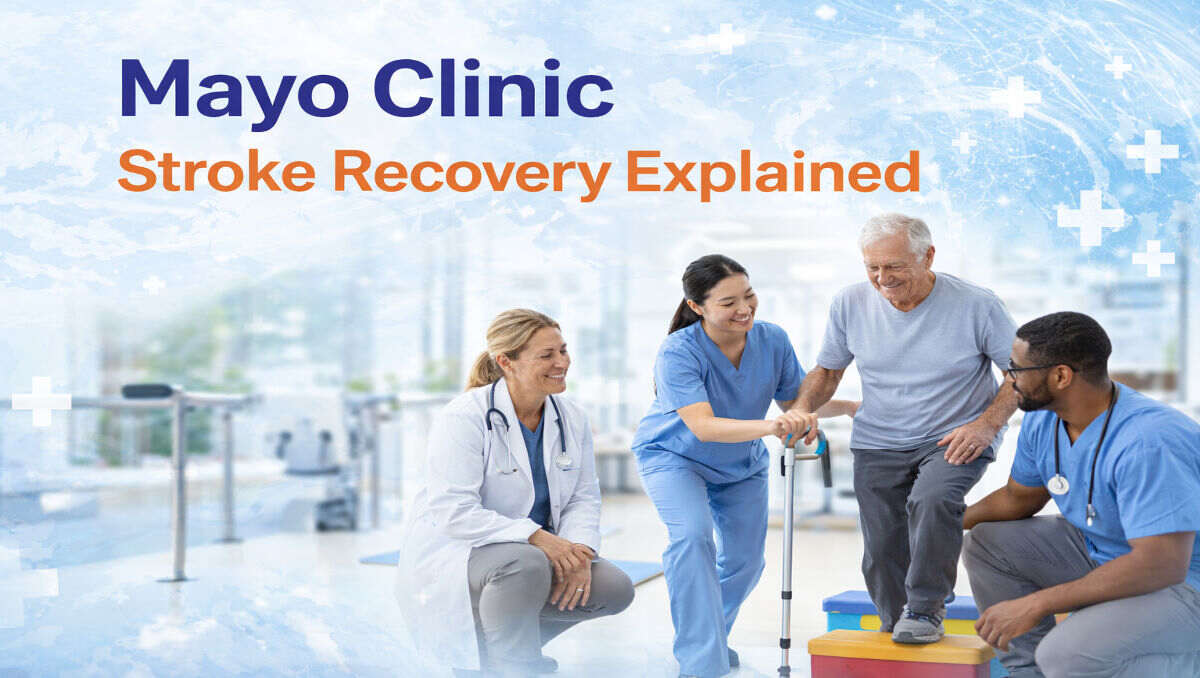
Mayo Clinic Stroke Recovery Explained: 7 Powerful Insights for Faster Rehabilitation
A stroke can change a person’s life in seconds. It often occurs without warning and can affect movement, speech, memory, and independence. Patients and families frequently search for reliable information about what happens after a stroke and how recovery actually works.
Understanding stroke recovery according to Mayo Clinic helps patients learn what to expect during rehabilitation and how the brain gradually heals after neurological injury. Stroke recovery is not only about surviving the initial medical emergency. It is also about rebuilding nerve connections, restoring muscle function, and helping patients regain confidence in everyday life.
Medical institutions such as the Mayo Clinic have spent decades studying stroke rehabilitation. Their research shows that recovery improves significantly when treatment begins early and when patients follow structured rehabilitation programs that stimulate brain activity and muscle movement.
This guide explains how stroke recovery works according to Mayo Clinic, including rehabilitation methods, recovery timelines, and strategies that support long-term neurological improvement.
What Is Stroke and How It Affects the Brain
To understand stroke recovery after a stroke, it is important to first learn what happens inside the brain when a stroke occurs.
A stroke occurs when blood flow to part of the brain becomes blocked or when a blood vessel ruptures. Because the brain depends on oxygen and nutrients delivered by blood, even a short interruption can damage brain cells.
There are two primary types of stroke.
Ischemic Stroke
An ischemic stroke happens when a blood clot blocks a blood vessel supplying the brain. This type accounts for nearly 85 percent of all strokes.
Hemorrhagic Stroke
A hemorrhagic stroke occurs when a blood vessel ruptures and causes bleeding inside the brain. The pressure created by the bleeding damages surrounding brain tissue.
Because different areas of the brain control different functions, stroke symptoms vary widely. Some patients experience weakness or paralysis on one side of the body, while others struggle with speech, memory, or balance.
These neurological effects explain why stroke rehabilitation is necessary for recovery.
Stroke damages brain cells when blood supply stops. According to the Mayo Clinic, stroke is a medical emergency that requires immediate treatment to prevent permanent neurological damage.
Mayo Clinic Stroke Recovery Explained
When examining Mayo Clinic’s approach to stroke recovery, one key principle becomes clear: stroke rehabilitation should begin as early as possible.
Neurological recovery depends on stimulating the brain so it can rebuild damaged pathways. Doctors and therapists often begin rehabilitation shortly after the patient’s condition stabilizes.
The goal of stroke rehabilitation is to help the brain relearn functions that were affected by the stroke. This process involves repeated exercises that encourage the nervous system to create new neural connections.
According to neurological rehabilitation research, early therapy helps patients regain movement, improve coordination, and strengthen weakened muscles. These improvements happen because the brain gradually adapts to the damage caused by the stroke.
Research from Mayo Clinic on stroke rehabilitation shows that recovery does not occur overnight. Instead, it develops gradually through consistent rehabilitation, therapy sessions, and supportive care.
Why Stroke Recovery Is Different for Every Patient
One of the most important insights from Mayo Clinic stroke recovery research is that every recovery journey is unique.
Several factors influence how quickly a person recovers after a stroke.
Severity of Brain Damage
The amount of brain tissue affected by the stroke significantly impacts recovery potential. Larger strokes generally require longer rehabilitation periods.
Location of the Stroke
Different regions of the brain control different abilities. For example, damage to motor areas may affect movement, while damage to language centers can affect speech.
Speed of Medical Treatment
Patients who receive treatment quickly often experience less brain damage and better recovery outcomes.
Age and General Health
Younger patients may recover faster, but rehabilitation can benefit patients of any age.
Because these factors vary widely, stroke recovery timelines differ from patient to patient.
The Real Stages of Stroke Recovery
Stroke recovery typically occurs in several stages. Understanding these stages helps families set realistic expectations.
Early Recovery Phase
The first few weeks after a stroke are often critical for stabilization and early improvement. During this period, doctors focus on restoring blood circulation and preventing further brain damage.
Rehabilitation Phase
Once the patient’s condition stabilizes, structured rehabilitation begins. This stage includes physical therapy, speech therapy, and occupational therapy designed to rebuild lost abilities.
Long-Term Recovery Phase
Recovery can continue for months or even years. During this stage, patients gradually strengthen muscles, improve coordination, and regain independence.
Understanding these stages helps patients and families see how stroke recovery progresses over time because it shows that rehabilitation is a long-term process rather than a quick medical treatment.
Stroke Rehabilitation Methods That Improve Recovery
Stroke rehabilitation programs involve several types of therapy designed to restore physical and neurological function.
Physical Therapy
Physical therapy focuses on rebuilding muscle strength and improving balance. Therapists guide patients through exercises that help them relearn walking, standing, and coordinated movement.
Occupational Therapy
Occupational therapy helps patients regain the ability to perform daily activities such as eating, dressing, and bathing.
Speech Therapy
Speech therapists help patients recover communication skills and address swallowing difficulties caused by neurological damage.
Together, these therapies follow the stroke rehabilitation principles recommended by Mayo Clinic, where structured rehabilitation helps rebuild brain-body coordination.
The National Institute of Neurological Disorders and Stroke (NINDS) explains that stroke rehabilitation helps the brain reorganize neural pathways through repeated movement and therapy.
Families looking for structured recovery support can explore our Brain and Nerve Recovery Guide, which explains practical rehabilitation methods for stroke and paralysis patients.
Neuroplasticity and Brain Healing After Stroke
A key concept in Mayo Clinic stroke recovery research is neuroplasticity.
Neuroplasticity refers to the brain’s ability to reorganize itself after injury. When a stroke damages one part of the brain, other areas may adapt to perform similar functions.
This process occurs when patients repeatedly practice rehabilitation exercises. Repetition strengthens neural pathways and helps the brain create new connections.
For example, practicing hand movements daily encourages the brain to regain motor control. Speech exercises help rebuild language skills. Walking therapy improves coordination and balance.
Over time, these activities stimulate neurological recovery and improve independence.
Stroke Recovery Timeline Patients Should Know
Many families want to know how long stroke recovery will take. Although recovery timelines vary, there are general patterns observed in rehabilitation research.
During the first three months after a stroke, patients often experience the most noticeable improvements. Swelling in the brain decreases and circulation improves, allowing neural pathways to function more effectively.
Between three and six months, continued therapy helps strengthen muscles and improve coordination.
Long-term recovery may continue for years as the brain gradually rebuilds neural connections.
This gradual progress reflects the stroke rehabilitation principles described by Mayo Clinic, where consistent therapy plays a central role in recovery.
Emotional Challenges After Stroke
Stroke recovery is not only physical. It also involves emotional and psychological adjustments.Many stroke survivors experience depression, anxiety, or frustration as they adapt to changes in their abilities.
These emotional challenges are common because stroke survivors may struggle with independence or communication.
Support from family members, caregivers, and healthcare professionals helps patients stay motivated during rehabilitation.Maintaining a positive environment can greatly improve recovery outcomes.
Essential Lifestyle Changes That Improve Stroke Recovery
Lifestyle changes can significantly support stroke recovery and help reduce the risk of another stroke.
Healthy Diet
Eating nutritious foods helps maintain healthy blood vessels and supports overall brain health.
Regular Physical Activity
Exercise improves circulation, strengthens muscles, and supports neurological recovery.
Blood Pressure Control
Managing blood pressure reduces the risk of future strokes.
Diabetes Management
Maintaining stable blood sugar levels protects blood vessels and improves long-term health.
These lifestyle changes complement the stroke rehabilitation strategies recommended by Mayo Clinic.
Stroke Recovery Guidance for Patients and Families
Families play an essential role in the recovery journey. Encouraging daily exercises, supporting therapy routines, and maintaining a positive environment can significantly improve patient outcomes.
Stroke survivors often recover best when rehabilitation becomes part of their daily routine. Small improvements accumulate over time and gradually restore confidence and independence.
Understanding how stroke recovery works according to Mayo Clinic helps families realize that recovery is possible.
Frequently Asked Questions
How long does stroke recovery usually take?
Stroke recovery takes time because the brain must rebuild damaged nerve connections. Some patients begin to improve within the first few weeks, while others continue recovering for months or even years. The speed of recovery depends on the severity of the stroke, the area of the brain affected, and how early rehabilitation begins.
Can stroke patients regain movement after paralysis?
Many stroke survivors regain partial or significant movement through rehabilitation therapy. Repeated exercises help stimulate the nervous system and strengthen communication between the brain and muscles. When therapy continues consistently, the brain gradually adapts and improves motor control through neuroplasticity.
What treatments help stroke recovery the most?
Stroke recovery usually requires a combination of medical treatment and rehabilitation therapies. Physical therapy strengthens muscles, occupational therapy improves daily living skills, and speech therapy helps restore communication abilities. These therapies work together to rebuild neurological function and improve independence.
Is full recovery possible after a stroke?
Full recovery is possible for some patients, especially when treatment begins early and the stroke damage is limited. However, many stroke survivors experience gradual improvement rather than complete recovery. Continuous rehabilitation and healthy lifestyle habits help maximize the brain’s ability to heal.
What lifestyle changes support stroke recovery?
Healthy lifestyle choices can significantly improve recovery outcomes after stroke. Patients are often advised to follow a balanced diet, maintain regular physical activity, control blood pressure, and manage conditions such as diabetes. These changes help protect the brain and reduce the risk of future strokes.
Stroke recovery often requires guidance from reliable medical institutions. Our guide on Best Stroke Recovery Resources Worldwide explains how organizations like Mayo Clinic, CDC, and NINDS support patients during rehabilitation.
Final Thoughts
Understanding Mayo Clinic stroke recovery explained provides valuable insight into how the brain heals after a stroke. Although stroke can cause serious neurological damage, recovery is possible through early treatment, structured rehabilitation, and long-term support.
The brain’s ability to adapt allows many stroke survivors to regain strength, rebuild coordination, and improve independence over time. Consistent therapy, healthy lifestyle choices, and supportive care all contribute to successful rehabilitation.
With patience and persistence, stroke survivors can continue improving long after the initial stroke.
Medical Disclaimer
This article is intended for educational purposes only and should not replace professional medical advice. Patients should always consult qualified healthcare professionals for diagnosis, treatment, and rehabilitation guidance related to stroke recovery.