7 Powerful Solution for Paralysis That Rebuilds Strength and Control
Why Finding the Right Solution for Paralysis Changes Everything
Paralysis does not only weaken muscles. It weakens confidence, independence, and daily rhythm. A person who once walked freely may suddenly depend on support even for simple activities. Families often feel overwhelmed because they are unsure what the next step should be. In that uncertainty, fear slowly replaces clarity.
After the hospital emergency is managed, the long-term journey begins. Instructions may be given, but they often feel general. Without a structured solution for paralysis, days pass without direction. When there is no clear system, progress becomes unpredictable.
The body does not improve through hope alone. The nervous system responds to stimulation and repetition. When guided correctly, recovery becomes more stable. A reliable solution for paralysis transforms confusion into structured action.
Recovery does not depend on luck. It depends on disciplined rebuilding.
What Is the Definitive Solution for Paralysis?
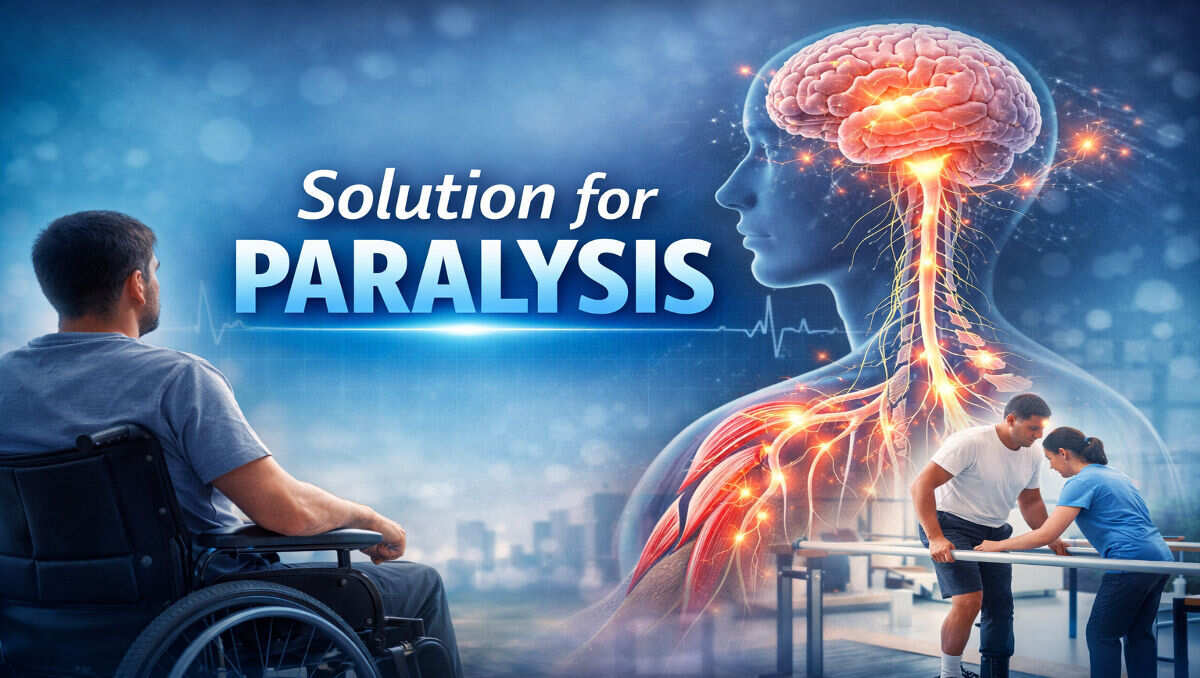
The definitive solution for paralysis is a structured neurological recovery system that combines early nerve activation, progressive muscle strengthening, circulation support, functional retraining, and long-term maintenance. There is no instant cure, but there is a reliable process. Recovery improves when this process begins early and continues consistently.
A complete solution for paralysis restores communication between the brain and affected muscles. This is achieved through repeated guided movement, internal support, and gradual functional practice. When these elements work together, recovery potential increases significantly.
For patients who need a structured and supervised solution for paralysis, our dedicated Paralysis Treatment in Virupakshipuram program provides personalized nerve activation, herbal support, and monitored rehabilitation. If recovery has slowed or plateaued, starting a disciplined treatment plan can strengthen neural response safely and steadily.
Without structure, improvement becomes random. With structure, progress becomes measurable. The solution for paralysis is not about waiting, but about rebuilding step by step.
Deep Medical Foundation Behind the Solution for Paralysis
Paralysis occurs when neural signals from the brain cannot reach specific muscles effectively. This may happen due to stroke, spinal cord injury, traumatic brain injury, or severe nerve damage. When the communication pathway is disrupted, voluntary movement becomes weak or absent.
The brain has an adaptive ability known as neuroplasticity. Neuroplasticity allows healthy brain areas to compensate for damaged regions by forming new neural connections. However, this ability depends on stimulation. Without repeated activation, neural circuits weaken instead of strengthening.
According to the World Health Organization, neurological conditions such as stroke remain one of the leading causes of long-term disability worldwide.
Muscles also change rapidly when they are not used. Within weeks, inactive muscles lose tone and strength. Reduced movement decreases circulation, limiting oxygen and nutrient delivery to tissues. A comprehensive solution for paralysis must therefore address neural activation and muscular conditioning together.
Inflammation and internal imbalance may further slow recovery. Supporting circulation and maintaining metabolic stability creates a more favorable healing environment. When internal systems are supported alongside physical rehabilitation, improvement becomes more stable and sustained.
If paralysis is stroke-related, understanding stroke recovery stages is important before choosing a solution for paralysis.
Understanding the Biological Window: Why Early Solution for Paralysis Matters
The first three months after paralysis represent a powerful recovery window. During this time, neural pathways are more adaptable. Repeated stimulation during this phase strengthens new communication routes between the brain and muscles.
When structured therapy is delayed, stiffness develops and muscles shorten. Neural pathways that remain unused weaken further. The longer the delay, the harder it becomes to rebuild communication.
Research published by the National Institute of Neurological Disorders and Stroke highlights the importance of early rehabilitation in improving functional recovery outcomes.
Applying a solution for paralysis early protects recovery potential. Each week of consistent activation strengthens neural responsiveness. Time either supports recovery or reduces it.
The 7-Step Definitive Solution for Paralysis System
A true solution for paralysis must follow a structured sequence. Each step builds upon the previous one, creating a stable recovery foundation.
Step One: Stabilization and Protection
In the early stage, protecting joints and muscles from secondary damage is essential. Without proper positioning and gentle movement, stiffness and contractures may develop. Once contractures form, mobility becomes harder to restore.
Stabilization preserves flexibility and protects future recovery. Gentle guided movement maintains joint health. This stage prevents complications before strengthening begins.
Step Two: Controlled Neural Activation
The next phase focuses on activating neural pathways. Even small voluntary or assisted movements stimulate communication between the brain and muscles. Repetition strengthens signal transmission gradually.
A disciplined solution for paralysis emphasizes consistency over intensity. Short, repeated sessions build stronger neural patterns. Neural circuits respond to repetition, not force.
Step Three: Circulation and Internal Nourishment
Reduced mobility lowers circulation in affected areas. Poor blood flow slows tissue repair and weakens nerve responsiveness. Supporting circulation enhances oxygen and nutrient delivery.
Many families struggle because they do not know what to do daily at home. To avoid mistakes and delays, our structured Brain & Nerve Recovery Guide explains safe exercises, diet direction, and recovery stages clearly. This guide supports your solution for paralysis by giving step-by-step clarity beyond guesswork.
Balanced internal health improves recovery capacity. When tissues receive consistent nourishment, muscle and nerve recovery become more efficient. Internal support strengthens external progress.
Step Four: Progressive Muscle Reconditioning
Muscle fibers weaken when not used. Gradual strengthening restores tone without overwhelming the nervous system. Controlled progression prevents fatigue and frustration.
A structured solution for paralysis builds strength steadily. Each small improvement reinforces confidence. Gradual progression protects both muscle and neural health.
Step Five: Functional Reintegration
Recovery must connect with real-life activity. Practicing controlled sitting, assisted standing, or coordinated hand use integrates therapy into daily life. Functional progress increases independence.
When improvement becomes practical, motivation grows. Emotional confidence strengthens physical progress. A strong solution for paralysis always includes meaningful movement practice.
Step Six: Long-Term Maintenance
Recovery does not end when improvement begins. Many individuals experience plateau because maintenance routines are reduced too early. Ongoing flexibility and strengthening protect gains.
A sustainable solution for paralysis includes daily routines even after progress becomes visible. Discipline prevents regression. Long-term consistency builds durable independence.
Step Seven: Continuous Assessment and Adjustment
Each person responds differently to rehabilitation. Regular reassessment ensures therapy remains effective. Adjustments prevent stagnation and maintain forward movement.
Without evaluation, progress may slow without notice. Structured monitoring strengthens long-term results. Adaptation keeps recovery active.
Severity and Realistic Expectations Within the Solution for Paralysis
Mild paralysis often shows quicker response to structured care because voluntary movement remains present. Moderate paralysis requires longer and more disciplined rehabilitation. Severe paralysis may involve slower and sometimes partial recovery.
The solution for paralysis must match severity. Realistic expectations protect emotional stability. Honest guidance prevents false hope while encouraging consistent effort.
Long-Term Recovery Reality
Recovery rarely follows a straight line. Some weeks bring visible progress, while others feel slow. This variation reflects biological adaptation rather than failure.
Consistent application of a solution for paralysis prevents regression during slower phases. Maintenance preserves flexibility and strength. Discipline ensures that improvement remains stable.
When Full Recovery May Not Occur
In certain cases involving extensive neurological damage, full reversal of paralysis may not be possible. However, structured rehabilitation still improves comfort, mobility, and quality of life.
A responsible solution for paralysis focuses on maximizing existing ability. Even partial recovery enhances independence and dignity. Realistic guidance strengthens long-term confidence.
Time and Consequence: Why Delay Weakens the Solution for Paralysis
Without structured stimulation, muscles tighten and neural signals weaken further. Delay compounds biological loss. Early structured action strengthens recovery potential.
Each month without consistent therapy allows stiffness to increase. Each month with structured stimulation strengthens communication pathways. The direction of time depends on action.
If you want professional guidance instead of experimenting at home, you can consult directly for a customized solution for paralysis. Structured herbal nerve support and monitored recovery reduce unnecessary delay and protect neurological momentum.
Key Takeaway: The System Itself Is the True Solution for Paralysis
The real solution for paralysis is not a single treatment or medication. It is an integrated system applied consistently. Stabilization, activation, strengthening, functional practice, and maintenance work together.
Recovery becomes predictable when structure replaces uncertainty. Discipline transforms confusion into measurable progress. Organized action strengthens independence gradually.
Conclusion: Confidence Through Structured Action
Paralysis challenges strength, patience, and resilience. Yet the nervous system retains the ability to adapt when stimulated consistently. A structured solution for paralysis provides clarity and direction.
Improvement may be gradual, but disciplined effort strengthens outcomes. With patience, structured rehabilitation, and consistent monitoring, recovery becomes more achievable and sustainable.
Medical Disclaimer
This article is for educational purposes only and does not replace professional medical advice. Sudden paralysis symptoms require immediate medical evaluation. Always consult a qualified healthcare provider before beginning any rehabilitation or treatment program.