
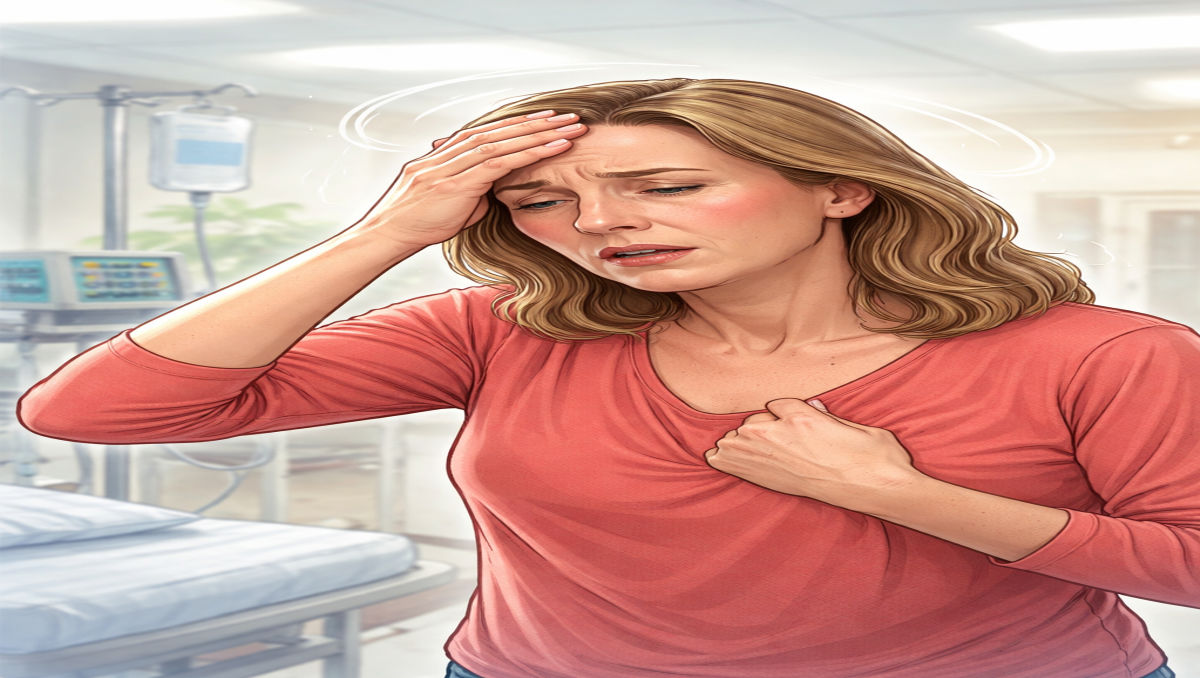
Stroke Warning Signs in Women: 7 Critical Symptoms You Must Never Ignore
Stroke warning signs in women often appear differently than many people expect. While facial drooping and arm weakness remain common, women frequently experience atypical symptoms such as nausea, sudden fatigue, confusion, or even unexplained hiccups. Because these stroke warning signs in women may seem subtle, they are often dismissed or misinterpreted.
Many women delay seeking care because the symptoms do not match the “classic” stroke image. However, early recognition dramatically improves survival and recovery outcomes. Understanding stroke warning signs in women can prevent permanent disability and save lives.
Women have unique biological and hormonal risk factors that influence how strokes present. As a result, stroke warning signs in women may be less obvious yet equally dangerous. Learning these differences is essential for faster response and better outcomes.
What Are the Stroke Warning Signs in Women?
Stroke warning signs in women include traditional symptoms such as facial drooping, arm weakness, and speech difficulty. However, women are more likely than men to experience atypical symptoms including sudden nausea, vomiting, dizziness, shortness of breath, hiccups, confusion, or unexplained fatigue.
Because stroke warning signs in women may mimic anxiety, migraine, or stomach illness, they are sometimes overlooked. Immediate emergency evaluation is critical whenever sudden neurological symptoms appear. Time-sensitive treatment can significantly reduce brain damage.
Why Stroke Warning Signs in Women Are Often Different
The neurological mechanism of stroke is the same in both men and women. A stroke occurs when blood flow to part of the brain is blocked or when bleeding disrupts oxygen delivery. However, hormonal influences, smaller vessel anatomy, and cardiovascular differences contribute to variation in presentation.
Estrogen fluctuations, pregnancy-related conditions, and autoimmune disorders may influence stroke risk in women. As a result, stroke warning signs in women can include systemic symptoms rather than isolated weakness. These differences can delay diagnosis if clinicians are not alert to atypical patterns.
For individuals experiencing weakness after stroke, specialized paralysis treatment options may further enhance nerve repair and muscle activation.
Understanding how the brain responds to oxygen loss is essential, and our detailed guide on brain and nerve recovery after stroke explains how neurological damage develops and heals over time.
Furthermore, women are more likely to live alone in older age, which increases the risk of delayed emergency response. Recognizing stroke warning signs in women at the earliest stage improves survival rates and long-term neurological recovery.
Stroke Warning Signs in Women: The 5 Phases of Symptom Development
Stroke symptoms often progress rapidly, but understanding the phases can help identify early warning signs.
Phase 1: Sudden Internal Discomfort
Many women describe an abrupt feeling that something is “not right.” Stroke warning signs in women may begin with nausea, dizziness, or an unusual headache. These early symptoms may not include obvious weakness.
Phase 2: Neurological Disruption
Confusion, speech difficulty, or visual disturbances may develop. Women sometimes experience disorientation rather than slurred speech. These stroke warning signs in women are frequently mistaken for anxiety or dehydration.
Phase 3: Motor Changes
Traditional symptoms such as arm weakness or facial drooping may appear. However, they can be milder in some cases. Subtle motor impairment should never be ignored.
Phase 4: Systemic Symptoms
Shortness of breath, hiccups, chest discomfort, or fatigue may accompany neurological changes. Stroke warning signs in women may resemble cardiac symptoms or gastrointestinal illness.
Phase 5: Rapid Deterioration
If untreated, symptoms worsen quickly. Immediate emergency intervention during earlier phases prevents severe disability.
Stroke Warning Signs in Women Compared to Men
While both genders share core symptoms, women are statistically more likely to experience atypical presentations. Men often present with classic one-sided weakness and speech disturbance. In contrast, stroke warning signs in women frequently include nausea, generalized weakness, or altered mental status.
Women also experience higher post-stroke disability rates. This may partly result from delayed recognition. Understanding gender-specific stroke warning signs in women reduces misdiagnosis and improves early intervention.
Research published by the American Stroke Association highlights that women often arrive later to emergency departments due to symptom confusion. Early awareness can change outcomes dramatically.
7 Critical Factors That Increase Stroke Risk in Women
Certain risk factors uniquely influence stroke warning signs in women.
Pregnancy and postpartum periods increase clotting risk. Hormonal contraceptives may elevate stroke probability in smokers. Migraine with aura is more common in women and associated with stroke risk.
Autoimmune disorders, such as lupus, disproportionately affect women and increase vascular inflammation. Atrial fibrillation also presents differently in women and carries higher stroke severity risk. These conditions amplify the importance of recognizing stroke warning signs in women early.
Research published in the National Library of Medicine highlights hormonal and cardiovascular influences unique to women.
Early Treatment and Why Time Matters
The phrase “time is brain” is medically accurate. Brain cells begin dying within minutes of oxygen deprivation. Rapid treatment with clot-dissolving medication or mechanical clot removal can restore blood flow.
When stroke warning signs in women are recognized immediately, outcomes improve significantly. Delays of even one hour can increase long-term disability risk. Emergency services should be contacted at the first sign of sudden neurological change.
The National Institute of Neurological Disorders and Stroke explains that brain oxygen deprivation begins damaging cells within minutes of circulation loss.
According to the American Stroke Association, rapid intervention within the first hours significantly improves survival and neurological outcomes.
According to the National Institute of Neurological Disorders and Stroke, early intervention reduces mortality and improves recovery potential. Education about stroke warning signs in women remains a public health priority.
Long-Term Recovery Reality After Stroke in Women
Women often experience more severe post-stroke disability than men. Recovery depends on stroke severity, location, and treatment timing. Early rehabilitation significantly improves mobility and cognitive function.
Stroke warning signs in women that are ignored can lead to larger brain injury. However, structured therapy supports neuroplasticity and functional improvement. Emotional health also plays a vital role in long-term outcomes.
Depression and anxiety are common after stroke, particularly among women. Comprehensive care addressing both physical and emotional recovery enhances overall prognosis.
Can Stroke Warning Signs in Women Be Subtle but Serious?
Yes, and this is one of the most dangerous aspects. Sudden unexplained fatigue, hiccups, or nausea may appear minor. However, when combined with confusion or dizziness, they can indicate brainstem involvement.
Stroke warning signs in women sometimes affect the posterior circulation of the brain. These strokes may produce vertigo, imbalance, or swallowing difficulty rather than classic facial drooping. Immediate evaluation is essential when symptoms are sudden and unexplained.
Ignoring subtle stroke warning signs in women increases the risk of permanent neurological damage.
Women who notice sudden weakness should review these early signs of stroke-related arm paralysis to identify neurological emergencies quickly.
Rehabilitation and Prevention Strategies
After a stroke, rehabilitation focuses on restoring mobility, speech, and independence. Early therapy maximizes neuroplastic adaptation. Women may benefit from tailored rehabilitation addressing hormonal and cardiovascular factors.
Preventive strategies include blood pressure control, cholesterol management, diabetes monitoring, and smoking cessation. Recognizing stroke warning signs in women early reduces recurrence risk. Lifestyle adjustments combined with medical management protect long-term brain health.
Regular cardiovascular screenings are particularly important for women with migraine, autoimmune conditions, or pregnancy complications.
Frequently Asked Questions
What are the most common stroke warning signs in women?
Stroke warning signs in women include facial drooping, arm weakness, speech difficulty, sudden confusion, nausea, dizziness, shortness of breath, and unexplained fatigue. Atypical symptoms may appear without obvious weakness.
Can hiccups be a stroke symptom in women?
Yes. Persistent unexplained hiccups can be one of the rare stroke warning signs in women, particularly in brainstem strokes. Medical evaluation is necessary when accompanied by neurological symptoms.
Why are stroke warning signs in women often missed?
Symptoms may resemble migraine, anxiety, or gastrointestinal illness. Because stroke warning signs in women can be subtle, they are sometimes dismissed until more severe deficits appear.
Do younger women experience stroke warning signs differently?
Younger women may present with headache, nausea, or visual disturbance. Hormonal factors and migraine history can influence stroke warning signs in women at younger ages.
What should a woman do if stroke symptoms appear?
Call emergency services immediately. Do not wait for symptoms to improve. Rapid treatment reduces long-term brain damage.
Key Takeaway: Stroke Warning Signs in Women Require Immediate Action
Stroke warning signs in women are not always dramatic. Sudden nausea, confusion, hiccups, or dizziness may indicate serious neurological disruption. Recognizing these symptoms early saves brain tissue and preserves function.
Women must understand that atypical symptoms can still represent a life-threatening event. Immediate medical evaluation is the safest response. Delays increase disability risk.
Strong Medical Conclusion
Stroke warning signs in women differ from traditional expectations and may include subtle or atypical symptoms. Because women frequently experience nausea, confusion, shortness of breath, or unexplained fatigue, strokes are sometimes misdiagnosed or delayed.
Understanding stroke warning signs in women empowers faster decision-making. Early recognition and emergency treatment dramatically improve survival and long-term recovery outcomes. Awareness remains the most powerful prevention tool.
Medical Disclaimer
This article is for educational purposes only and does not replace professional medical advice. If stroke warning signs in women appear, seek emergency medical care immediately.