
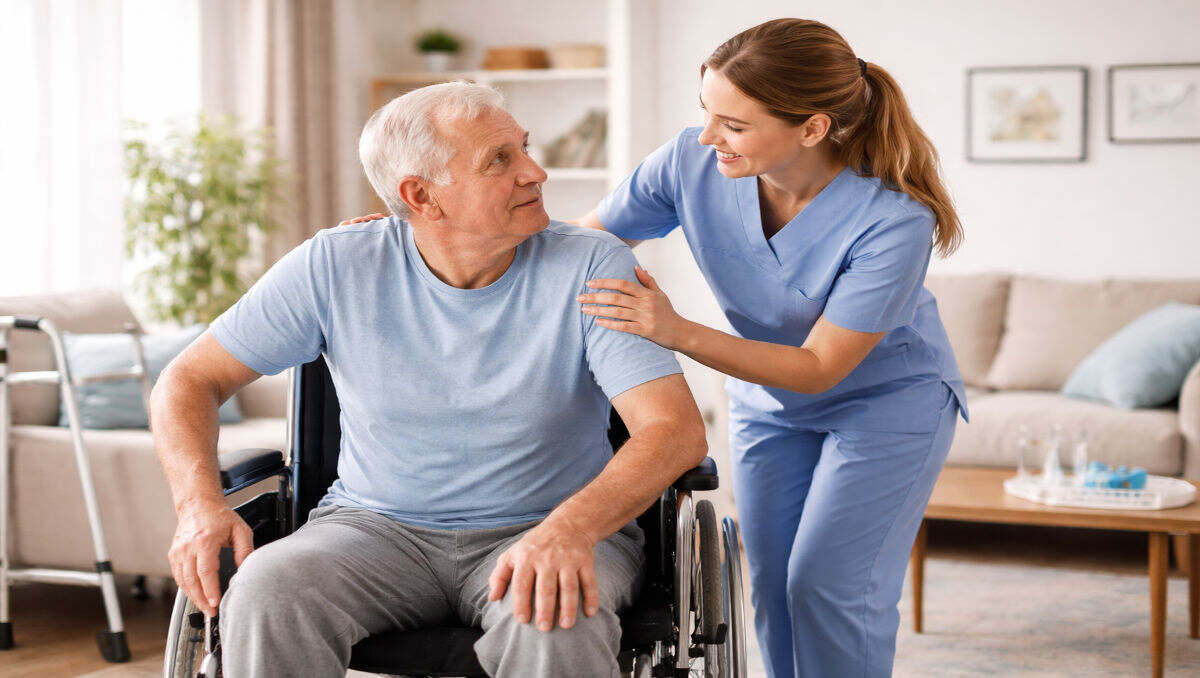
9 Proven Tips for Caring for a Paralyzed Stroke Patient at Home That Truly Improve Recovery
The first day a stroke survivor comes home after hospitalization is filled with silent fear. Hospital alarms are gone, but responsibility has multiplied. Families suddenly become caregivers, nurses, therapists, and emotional anchors all at once. Every movement feels fragile, and every mistake feels costly.
Paralysis after stroke is not just muscle weakness. It is a disruption of brain-to-body communication that changes how a person sits, moves, speaks, eats, and even feels about themselves. Caregivers often ask the same urgent question: “Am I doing this correctly?” That uncertainty can be overwhelming.
Searching for clear and medically accurate tips for caring for a paralyzed stroke patient at home is not about convenience. It is about preventing complications, protecting dignity, and maximizing neurological recovery. The right knowledge reduces risk and builds confidence.
This comprehensive guide delivers structured, clinically grounded, and practical tips for caring for a paralyzed stroke patient at home. It combines neurological science, rehabilitation principles, and real-world caregiving strategies to support safe and effective recovery.
What Are the Most Important Tips for Caring for a Paralyzed Stroke Patient at Home?
The most important tips for caring for a paralyzed stroke patient at home include consistent repositioning to prevent pressure sores, structured mobility assistance, proper limb support, medication adherence, stroke risk monitoring, balanced nutrition, and daily rehabilitation exercises. Recovery improves when care is systematic rather than reactive.
Caring for a paralyzed stroke patient at home requires attention to both prevention and stimulation. Prevent complications such as skin breakdown and joint contractures while actively encouraging neuroplastic recovery through repetition and safe movement. Small daily interventions accumulate into measurable neurological improvement.
The goal is not speed. The goal is steady, safe progress supported by disciplined routines and emotional stability.
Understanding Paralysis After Stroke: The Neurological Basis
Paralysis after stroke occurs when blood flow interruption damages motor areas of the brain, often involving the motor cortex or corticospinal tract. These neural pathways transmit voluntary movement signals to muscles. When disrupted, muscles may become weak or completely unresponsive.
Hemiparesis refers to weakness on one side of the body, while hemiplegia refers to complete paralysis. The side affected is typically opposite the damaged brain hemisphere. Early intervention stimulates neuroplasticity, which is the brain’s ability to reorganize and form new connections.
Effective tips for caring for a paralyzed stroke patient at home must align with neuroplastic principles. Repetition, sensory stimulation, and guided movement encourage alternative neural pathways to assume lost functions.
According to the American Stroke Association, early rehabilitation significantly improves long-term mobility outcomes.
For a deeper understanding of causes and recovery possibilities, read our detailed guide on paralysis after stroke treatment options.
Recovery Timeline After Stroke Paralysis
Stroke recovery follows biological patterns. The first three months are often the most neurologically active. During this period, the brain demonstrates heightened adaptability, making structured rehabilitation particularly impactful.
Between three and six months, recovery continues but may plateau if exercises are inconsistent. Muscle stiffness and spasticity may develop without proper limb positioning and stretching. Care routines during this stage must prioritize prevention of secondary complications.
Beyond six months, recovery becomes gradual yet remains possible. Many patients regain subtle improvements such as finger control or balance stabilization even after one year. The most effective tips for caring for a paralyzed stroke patient at home emphasize long-term persistence rather than short-term expectations.
Severity Comparison: Mild vs Severe Paralysis Care
Mild paralysis often allows partial independence with support. Care focuses on strengthening, fall prevention, and endurance. Patients may regain substantial mobility with structured therapy.
Moderate paralysis requires hands-on assistance for transfers, hygiene, and dressing. Caregivers must learn safe lifting mechanics to prevent musculoskeletal injury. Environmental modifications such as grab bars and non-slip flooring improve safety.
Severe paralysis demands full assistance with mobility and repositioning. The risk of pressure ulcers, joint contractures, and aspiration increases. In such cases, tips for caring for a paralyzed stroke patient at home must prioritize complication prevention and skin integrity above all else.
Essential Tips for Caring for a Paralyzed Stroke Patient at Home: Preventing Pressure Sores
Immobility reduces blood circulation to pressure points. When skin remains compressed for prolonged periods, tissue breakdown occurs. Pressure ulcers can develop within days without proper repositioning.
Reposition bedridden patients every two hours. Use pressure-relieving cushions and specialized mattresses when available. Inspect skin daily, especially over heels, hips, elbows, and the sacrum.
Among the most critical tips for caring for a paralyzed stroke patient at home is early identification of redness that does not fade after pressure relief. Prompt medical attention prevents serious complications.
Proper Positioning and Joint Protection at Home
Incorrect limb positioning can cause shoulder subluxation and permanent joint deformities. The paralyzed arm must always be supported when sitting or lying. Allowing it to hang increases ligament strain.
When lying on the unaffected side, place the paralyzed arm forward on a pillow. When lying on the affected side, maintain proper alignment to reduce compression. During sitting, ensure hips are level and feet are flat.
Structured positioning is a foundational element of effective tips for caring for a paralyzed stroke patient at home. Prevention of contractures significantly influences long-term comfort and mobility.
Safe Transfers and Mobility Support
Falls are common during stroke recovery due to balance impairment and muscle weakness. Clear pathways, remove loose rugs, and ensure adequate lighting. Install grab bars in bathrooms and use non-slip mats.
During transfers, guide movement from the stronger side. Transfer belts reduce caregiver strain and increase patient stability. Always encourage participation from the patient, even if minimal.
Practical tips for caring for a paralyzed stroke patient at home include formal training from a physical therapist before hospital discharge. Safe mobility protects both caregiver and patient.
Nutrition and Hydration in Stroke Recovery
Balanced nutrition supports vascular health and tissue repair. Emphasize lean protein, vegetables, whole grains, and healthy fats. Limit sodium intake to reduce recurrent stroke risk.
Swallowing difficulties are common after stroke. Speech therapy assessment may be required to prevent aspiration. Thickened liquids may be recommended if swallowing reflex is impaired.
Consistent hydration reduces urinary tract infection risk and supports circulation. Nutritional management remains one of the most underestimated tips for caring for a paralyzed stroke patient at home.
Medication Management and Stroke Prevention
Stroke survivors often require antiplatelet therapy, anticoagulants, blood pressure medication, and cholesterol-lowering agents. Medication adherence directly influences recurrence risk.
Maintain a written schedule and use pill organizers to prevent missed doses. Monitor blood pressure regularly at home. Recognize warning signs such as facial drooping, arm weakness, or speech difficulty.
Reliable tips for caring for a paralyzed stroke patient at home include strict compliance with medical prescriptions and routine physician follow-ups.
Understanding early warning signs is critical. Read our guide on early symptoms of stroke and paralysis to stay prepared.
The Centers for Disease Control and Prevention reports that nearly 795,000 people experience stroke each year in the United States.
Emotional and Psychological Support
Depression affects a significant percentage of stroke survivors. Loss of independence can lead to withdrawal and frustration. Emotional support is not optional; it is therapeutic.
Encourage participation in simple tasks to restore confidence. Celebrate small achievements, such as improved grip strength or independent sitting. Social interaction prevents isolation.
Holistic tips for caring for a paralyzed stroke patient at home must address mental health as seriously as physical rehabilitation.
Research published by the National Institute of Neurological Disorders and Stroke highlights the impact of depression on stroke recovery.
Factors Affecting Recovery Outcomes
Age, stroke severity, early intervention, overall health, and rehabilitation intensity influence recovery trajectory. Patients who received clot-dissolving treatment often demonstrate better motor outcomes.
Comorbidities such as diabetes or uncontrolled hypertension may slow recovery. Family support and structured routines significantly improve adherence to rehabilitation.
Understanding these variables ensures realistic expectations when applying tips for caring for a paralyzed stroke patient at home.
Long-Term Recovery Reality
Recovery does not end after six months. Although progress slows, meaningful improvement remains possible for years. Functional independence may gradually increase with persistent therapy.
Long-term care requires monitoring risk factors to prevent secondary stroke. Lifestyle changes, including smoking cessation and dietary improvements, reduce recurrence probability.
Sustained application of structured tips for caring for a paralyzed stroke patient at home ensures long-term stability.
Permanent Paralysis and Adaptive Strategies
In some cases, full motor recovery does not occur. Adaptive equipment such as wheelchairs, modified utensils, and dressing aids enhance independence. Occupational therapy provides essential guidance.
Acceptance does not mean resignation. It means adjusting goals while maintaining dignity and safety. Even when paralysis persists, quality of life can improve significantly.
Structured Home Rehabilitation Strategy
Create a daily schedule that includes stretching, guided movement, balance training, and functional task practice. Repetition stimulates neuroplasticity. Overexertion, however, may cause fatigue and setbacks.
Track progress weekly to identify subtle improvements. Encourage consistency rather than intensity. Structured rehabilitation remains one of the most powerful tips for caring for a paralyzed stroke patient at home.
You can also explore our complete breakdown of home exercises for stroke paralysis recovery to strengthen daily rehabilitation efforts.
Frequently Asked Questions
How often should a paralyzed stroke patient be repositioned?
Reposition every two hours to prevent pressure sores and maintain circulation.
Can stroke paralysis improve after six months?
Yes, improvement can continue gradually beyond six months with structured rehabilitation.
What are emergency warning signs of another stroke?
Sudden facial drooping, arm weakness, speech difficulty, and severe headache require immediate medical attention.
Is full recovery possible?
Many patients regain significant function, especially with early intervention and disciplined home care.
Does emotional health affect recovery?
Yes, depression can slow rehabilitation progress. Emotional support enhances recovery outcomes.
Key Takeaways
Effective tips for caring for a paralyzed stroke patient at home focus on prevention, structured rehabilitation, medication adherence, nutrition, and emotional support. Consistency and patience drive neurological recovery more than intensity.
Conclusion
Applying evidence-based tips for caring for a paralyzed stroke patient at home significantly reduces complications and improves recovery potential. Stroke paralysis is not solely a muscular condition but a neurological challenge that requires repetition, protection, and structured stimulation. With disciplined caregiving, informed decision-making, and emotional resilience, meaningful improvement is achievable even when recovery appears slow.
Medical Disclaimer
This article provides educational information and does not replace professional medical advice. Always consult a licensed healthcare provider for diagnosis, treatment decisions, and emergency evaluation. Recovery varies depending on stroke severity and individual health conditions.