
What Is a Stroke? 9 Critical Facts That Can Save Brain Function
What is a stroke is one of the most important medical questions every family should understand, because stroke can change a person’s life within minutes. A stroke happens when the blood supply to part of the brain suddenly stops or becomes severely reduced. When this interruption occurs, brain cells do not receive enough oxygen and nutrients. Without oxygen, brain cells begin to weaken and die quickly, which can lead to paralysis, speech problems, memory loss, and serious disability.
Many people believe stroke happens suddenly without warning, but the body often sends signals before the condition becomes severe. Weakness on one side of the body, facial drooping, difficulty speaking, and sudden confusion may all indicate that the brain is struggling. When these symptoms are ignored or misunderstood, the damage to brain cells can become permanent.
Understanding what is a stroke helps families recognize danger signs quickly and seek immediate medical help. The difference between early treatment and delayed treatment can determine whether a person recovers fully or struggles with long-term complications. Quick action protects brain tissue and improves the chances of recovery.
Stroke is not simply a momentary health problem. It is a neurological emergency that affects the brain, the body, and the patient’s entire future. When people clearly understand what is a stroke and how it affects the brain, they become better prepared to respond quickly and support recovery in the right way.
What Is a Stroke and How Does It Affect the Brain?
To understand what is a stroke, it is important to understand how the brain works. The brain controls every movement, thought, emotion, and bodily function. It sends signals through nerves that travel from the brain to muscles and organs throughout the body.
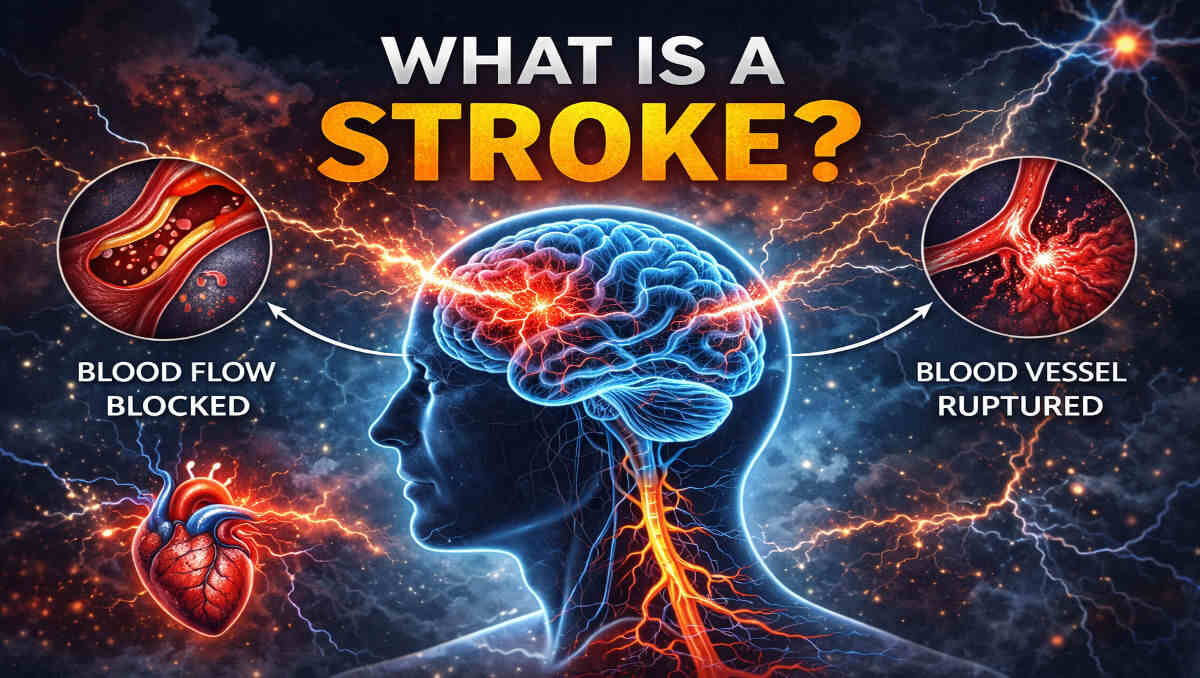
During a stroke, the blood vessels that supply the brain become blocked or rupture. When this happens, oxygen cannot reach brain cells. As a result, the cells begin to malfunction and eventually die. When the affected brain cells stop working, the body parts they control may lose function.
For example, if the left side of the brain is damaged during a stroke, the right side of the body may become weak or paralyzed. If the stroke affects areas responsible for speech, the patient may struggle to talk or understand language. When the stroke affects balance centers, the patient may feel dizzy or unable to walk properly.
This is why understanding what is a stroke is so important. The brain is the control center of the body, and damage to brain cells affects many different physical and mental functions. The faster the brain receives medical support, the greater the chance that these functions can be restored.
Types of Stroke That Affect Brain Function
Understanding what is a stroke also means understanding that strokes are not all the same. Different types of stroke affect the brain in different ways, but they all interfere with blood supply to brain tissue.
The most common type of stroke is called an ischemic stroke. In this condition, a blood clot blocks a blood vessel that normally carries oxygen to the brain. When the vessel becomes blocked, brain cells downstream begin to starve of oxygen.
Another type of stroke occurs when a blood vessel ruptures inside the brain. This condition is known as a hemorrhagic stroke. Instead of a blockage, bleeding occurs inside the brain tissue, creating pressure and damaging surrounding cells.
There is also a temporary condition known as a transient ischemic attack, often called a mini stroke. This condition briefly interrupts blood flow to the brain but resolves within a short time. Although symptoms may disappear, a mini stroke is often a warning sign that a more serious stroke may occur later.
Neurological stress after stroke can sometimes affect sleep patterns and brain activity. Some patients experience temporary episodes of sleep paralysis or unusual sleep disturbances during recovery. If you want to understand this condition clearly, read our detailed explanation about what is sleep paralysis and how it affects brain function.
Sleep paralysis is a temporary condition where a person becomes aware but unable to move during sleep. Although it is different from stroke, both conditions involve neurological communication problems between the brain and muscles. To learn more about treatment approaches, read our guide on cure for sleep paralysis.
Learning what is a stroke and recognizing the different types helps doctors determine the best treatment strategy and helps families understand the seriousness of the condition.
Early Warning Signs That Indicate a Stroke
Recognizing stroke symptoms early can save lives and protect brain function. Many people first begin asking what is a stroke when they notice sudden physical changes in themselves or a loved one.
A stroke may begin with weakness or numbness on one side of the body. The arm or leg may feel heavy or difficult to move. Facial muscles may droop, causing an uneven smile.
Speech problems are another common sign. A person may suddenly struggle to pronounce words clearly or may have difficulty forming sentences. In some cases, the patient may understand speech but cannot respond properly.
Balance and coordination may also be affected. A person may feel dizzy, stumble while walking, or lose stability. Vision problems may occur, including blurred vision or loss of vision in one eye.
Confusion is another important sign. The brain may struggle to process information, making normal conversation difficult.
Understanding what is a stroke allows people to recognize these symptoms quickly and seek emergency treatment before severe brain damage occurs.
Why Immediate Treatment Is Critical
Time is the most important factor in stroke treatment. Brain cells begin to suffer damage within minutes when oxygen supply is interrupted.
Doctors often describe stroke treatment with the phrase “time is brain.” This means every minute without treatment increases the risk of permanent brain injury.
When a patient arrives at the hospital quickly, doctors can administer treatments that restore blood flow or control bleeding. These treatments help protect brain cells and reduce long-term disability.
If treatment is delayed, the damage to the brain becomes more severe. Areas responsible for movement, speech, or memory may be permanently affected.
Understanding what is a stroke encourages families to treat symptoms as a medical emergency rather than waiting to see if the problem improves on its own.
Why Stroke Often Causes Paralysis
Many patients who experience stroke develop paralysis or severe muscle weakness. This occurs because the brain regions responsible for movement become damaged.
The motor cortex of the brain sends signals through nerves that control muscle movement. When a stroke disrupts this pathway, muscles cannot receive the signals needed to move normally.
Paralysis may affect one side of the body, a condition known as hemiplegia. Some patients experience partial weakness known as hemiparesis rather than complete paralysis.
The severity of paralysis depends on the location and size of the brain injury. Smaller strokes may cause mild weakness, while larger strokes may affect entire limbs or one side of the body.
Understanding what is a stroke helps families recognize that paralysis is not simply a muscle problem. It is a neurological issue caused by damage to brain cells that control movement.
When stroke damages the brain areas responsible for movement, the communication between the brain and muscles becomes weak or completely disrupted. This is why many stroke patients experience paralysis or severe muscle weakness after the event. Structured neurological support becomes essential during this stage. Families looking for disciplined herbal support for nerve recovery can explore our Ayurvedic paralysis treatment in Virupakshipuram, which focuses on improving circulation, stimulating weakened nerves, and supporting gradual mobility recovery.
The Brain’s Ability to Recover After Stroke
Although stroke can cause severe damage, the brain has a remarkable ability to adapt. This ability is called neuroplasticity.
Neuroplasticity allows healthy parts of the brain to reorganize and take over functions that were previously controlled by damaged areas. Through repeated movement and therapy, the brain can strengthen new neural connections.
This is why rehabilitation is so important after stroke. Physical therapy, occupational therapy, and speech therapy help stimulate the brain and encourage recovery.
When patients engage in consistent therapy, the brain receives repeated signals that strengthen new neural pathways. Over time, these pathways can improve movement, coordination, and speech.
Understanding what is a stroke also means understanding that recovery is possible when the brain receives structured support.
Stroke Recovery Timeline
Recovery from stroke varies from person to person, but most improvements occur within the first several months after the event.
During the first few weeks, the brain begins stabilizing and reducing inflammation. Early rehabilitation often begins during this stage.
Between one and three months after stroke, many patients experience significant improvement. Therapy during this stage helps strengthen muscles and retrain the brain to control movement.
Between three and six months, recovery continues but may progress more slowly. Continued therapy helps maintain progress and prevent muscle stiffness.
Even after six months, improvement can still occur. Consistent exercises and neurological stimulation continue supporting the brain’s ability to adapt.
Understanding what is a stroke helps families remain patient during this process and continue supporting rehabilitation efforts.
After understanding what is a stroke, the next important step is following a structured recovery plan. Many families feel confused after hospital discharge because they are unsure about exercises, diet, and daily rehabilitation routines. Our Complete Brain & Nerve Recovery Guide was designed to provide clear recovery direction for stroke and paralysis patients. The guide explains recovery stages, safe exercises, nerve-supportive diet practices, and practical steps that families can follow at home.
The brain has an ability to reorganize itself after injury through a process called neuroplasticity. The National Institute of Neurological Disorders and Stroke explains how rehabilitation exercises and neurological stimulation help the brain rebuild communication pathways after stroke damage.
Preventing Future Strokes
Preventing another stroke is a critical part of long-term recovery. Patients who have experienced a stroke may face a higher risk of future strokes if underlying health issues are not managed properly.
High blood pressure is one of the leading causes of stroke. Maintaining healthy blood pressure reduces stress on blood vessels and protects the brain.
Healthy diet, regular exercise, and avoiding smoking also support cardiovascular health. Managing diabetes and cholesterol levels further reduces stroke risk.
Regular medical checkups allow doctors to monitor health conditions that could increase the likelihood of another stroke.
Understanding what is a stroke encourages patients and families to take preventive steps that protect long-term brain health.
According to the American Stroke Association, stroke occurs when blood flow to the brain becomes blocked or when a blood vessel ruptures, preventing oxygen from reaching brain tissue. Their research explains why immediate treatment is essential to protect brain cells and reduce long-term disability.
Frequently Asked Questions About Stroke
Can a stroke happen suddenly without warning?
Yes, a stroke can occur suddenly, but in many cases the body shows warning signals before severe damage happens. Sudden weakness on one side of the body, slurred speech, confusion, or loss of balance may appear within minutes. When these signs appear, immediate medical attention is critical because early treatment can protect brain cells and improve recovery chances.
Is stroke always permanent?
Stroke damage can be permanent in severe cases, but recovery is often possible when treatment and rehabilitation begin early. The brain has the ability to reorganize itself through a process called neuroplasticity. With consistent therapy and structured recovery support, many stroke patients regain strength, coordination, and speech abilities over time.
How long does stroke recovery usually take?
Stroke recovery varies depending on the severity of the brain injury and how quickly treatment was provided. Some improvement may begin within the first few weeks after the stroke. Significant recovery often occurs within the first three to six months, although progress can continue for years with proper therapy and rehabilitation.
What is the most common cause of stroke?
The most common cause of stroke is a blockage in a blood vessel that supplies the brain. This type of stroke, called ischemic stroke, occurs when a clot interrupts blood flow to brain tissue. Without oxygen, brain cells begin to weaken and die. Other strokes occur when blood vessels rupture and cause bleeding inside the brain.
Can stroke be prevented?
Many strokes can be prevented by controlling risk factors such as high blood pressure, diabetes, high cholesterol, and smoking. Maintaining a healthy diet, staying physically active, and attending regular medical checkups help reduce stroke risk. Early awareness of stroke symptoms also helps families respond quickly if a stroke occurs.
Key Takeaways
Understanding what is a stroke allows families to recognize the seriousness of this neurological emergency. A stroke occurs when blood flow to the brain is interrupted, preventing brain cells from receiving oxygen and nutrients. When brain cells become damaged, the body may lose control of movement, speech, memory, and coordination.
Immediate treatment is essential because brain damage can increase rapidly when oxygen supply is reduced. Recognizing early warning signs such as weakness, facial drooping, and speech difficulty can help patients receive life-saving medical care quickly.
Recovery after stroke depends on early treatment, consistent rehabilitation, and proper neurological support. With structured therapy and long-term care, many patients regain strength and independence. Preventive lifestyle changes also help reduce the risk of future strokes and protect long-term brain health.
Conclusion: Why Understanding What Is a Stroke Saves Lives
Understanding what is a stroke provides the knowledge needed to recognize symptoms quickly, seek immediate treatment, and support long-term recovery.
Stroke is a serious neurological emergency that affects brain function and body movement. When blood flow to the brain is interrupted, brain cells can suffer permanent damage within minutes.
Recognizing early warning signs and seeking medical help quickly can protect brain tissue and improve recovery outcomes. Rehabilitation, lifestyle adjustments, and structured care all play important roles in restoring function after stroke.
When families clearly understand what is a stroke, they become better prepared to protect brain health and support recovery during one of the most critical medical emergencies a person can experience.
Medical Disclaimer
The information provided in this article about what is a stroke is intended for educational purposes only. This content should not replace professional medical advice, diagnosis, or treatment. Stroke is a serious medical emergency that requires immediate attention from qualified healthcare professionals.
If you or someone near you experiences symptoms such as sudden weakness, facial drooping, difficulty speaking, or loss of balance, seek emergency medical care immediately. Early treatment can significantly improve survival and recovery outcomes.